I have been using 100 Year Diary, the diary app I built, for more than a month now.
The app is designed to place older entries from the same date next to the current one. It can also show the same day across previous months, so you do not have to wait a full year before the diary starts giving something back.
I was not sure I would actually keep using it. I had started paper diaries many times before, and most of them lasted less than a month.
A new notebook was exciting for a few days. Then I would gradually stop writing in it.
So after building a diary app, there was an awkward question waiting for me: what if I cannot even keep using my own app?
More than a month later, it has become a surprisingly natural part of my routine. Using it every day helped me understand a few reasons why.
Paper made me decide too much before writing
With a paper diary, a number of small decisions happened before I wrote the first sentence.
I had to get the notebook. The page had a fixed amount of space. If the box was large and I had little to say, I felt like I should fill more of it. If the box was small on a busy day, I started editing the day in my head before I had written anything.
I also cared a little too much about what my handwriting looked like afterward.
None of these problems is serious by itself. Repeating them every day was the problem.
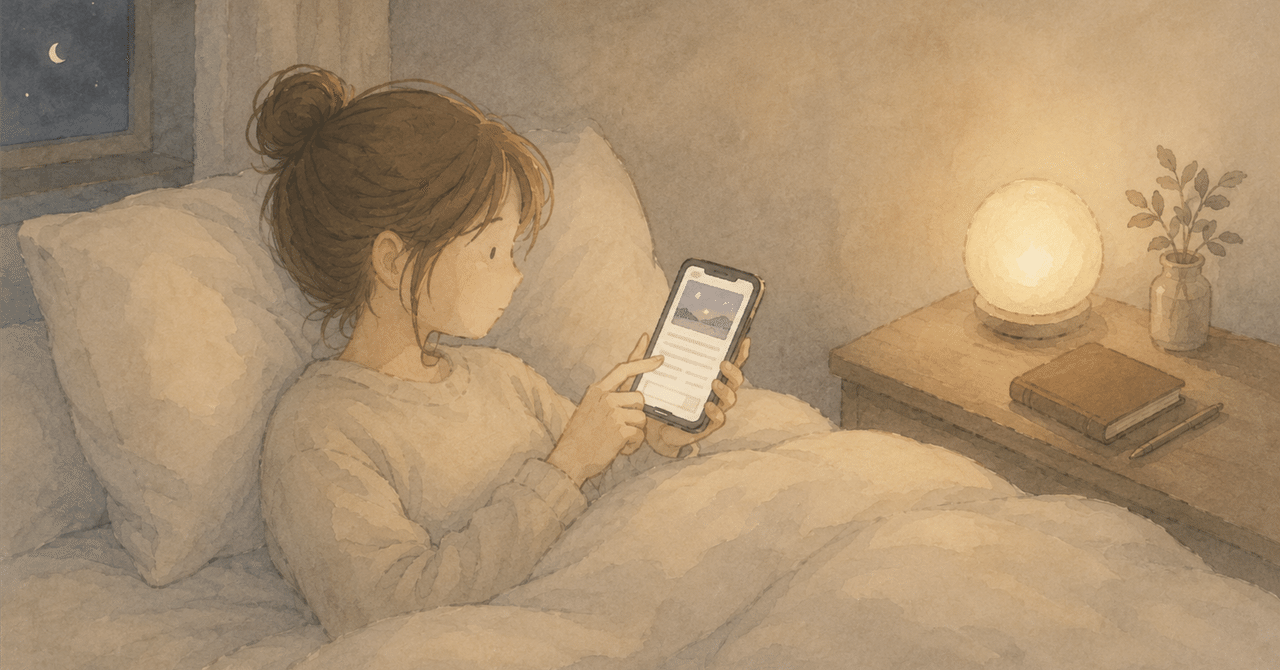
On my phone, most of those decisions disappear. I can open the app in bed when the reminder arrives and start typing immediately. There is no fixed box to fill. Some entries are short and some become unexpectedly long. A photo is optional, and there is only one photo slot, so there is no miniature photo-selection project before writing.
I used to think I needed a diary that encouraged short entries. What I may have needed was a diary that required fewer decisions before an entry could begin.
Missing one day did not end the habit
During that first month, I missed a day.
The interesting part is that I did not notice immediately. I still thought of myself as someone who was writing every day. Weeks later, while looking back, I saw a single blank date.
That blank had not become a story about failure.
On paper, an empty box remains visually present every time you open the spread. For me, that could easily turn into the feeling that the diary was already broken: the streak was over, so the project was no longer intact.
In 100 Year Diary, I simply wrote again the next day.
Writing every single day and continuing to keep a diary are not necessarily the same goal. I care much more about the second one.
The reward arrived after one month, not one year
A traditional multi-year diary becomes especially interesting when you can open, for example, August 14 and read August 14 from last year and the year before.
The problem for a beginner is obvious: the first yearly comparison takes a year to create.
That is a long feedback loop for someone who has never kept a diary for a month.
So 100 Year Diary also supports a monthly view. On August 14, you can look at July 14, June 14, and earlier months. After only one month, there is already a past version of the same day to revisit.
That has mattered more than I expected. Small changes are easy to forget while they are happening. Looking back one month can make them visible: something we started doing, a meal worth making again, an idea I still have not acted on, or a part of family life that already feels different.
The old entry becomes a gentle reminder rather than a notification demanding attention.
If I keep using the app for years, I expect the yearly view to become more important. The monthly view helps bridge the time before that longer history exists.
Some “nonessential” details matter when you see them every day
Daily use also changed my opinion about features I originally considered decorative.
One of the visual themes follows the 24 seasonal periods used in the traditional East Asian calendar. The colors and header atmosphere shift gradually through the year.
I did not think that had much to do with the core of a diary. But when an app is opened every day, a small seasonal change can make it feel less static. I ended up leaving that theme enabled.
A daily tool is shaped not only by the big features in its specification, but also by the small things you encounter hundreds of times.
Digital storage also fits how I want to keep long-term records
Another reason paper was not ideal for me is what I want to do with old writing.
I want long-running personal records to remain searchable and exportable. If I choose to process or analyze my own writing later, I want the data to be in a form I can take with me.
100 Year Diary keeps diary content on the device and lets me export it when I want. That balance feels right to me: private by default, portable when needed.
It also means backups matter. A phone can be lost or damaged, so local storage is not a reason to ignore backup. That is an area I continue to work on.
Maybe I was using the wrong format
After more than a month, I no longer think the simple explanation is “I am bad at keeping a diary.”
Paper diaries asked me to work in a format that did not fit me very well. This app removes some of the friction that mattered to me: fewer decisions before writing, less pressure around a missed day, and a way to enjoy looking back before a whole year has passed.
That does not mean the same design will fit everyone. But if you have repeatedly started diaries and stopped, changing the format may be more useful than trying to become more disciplined about the same one.